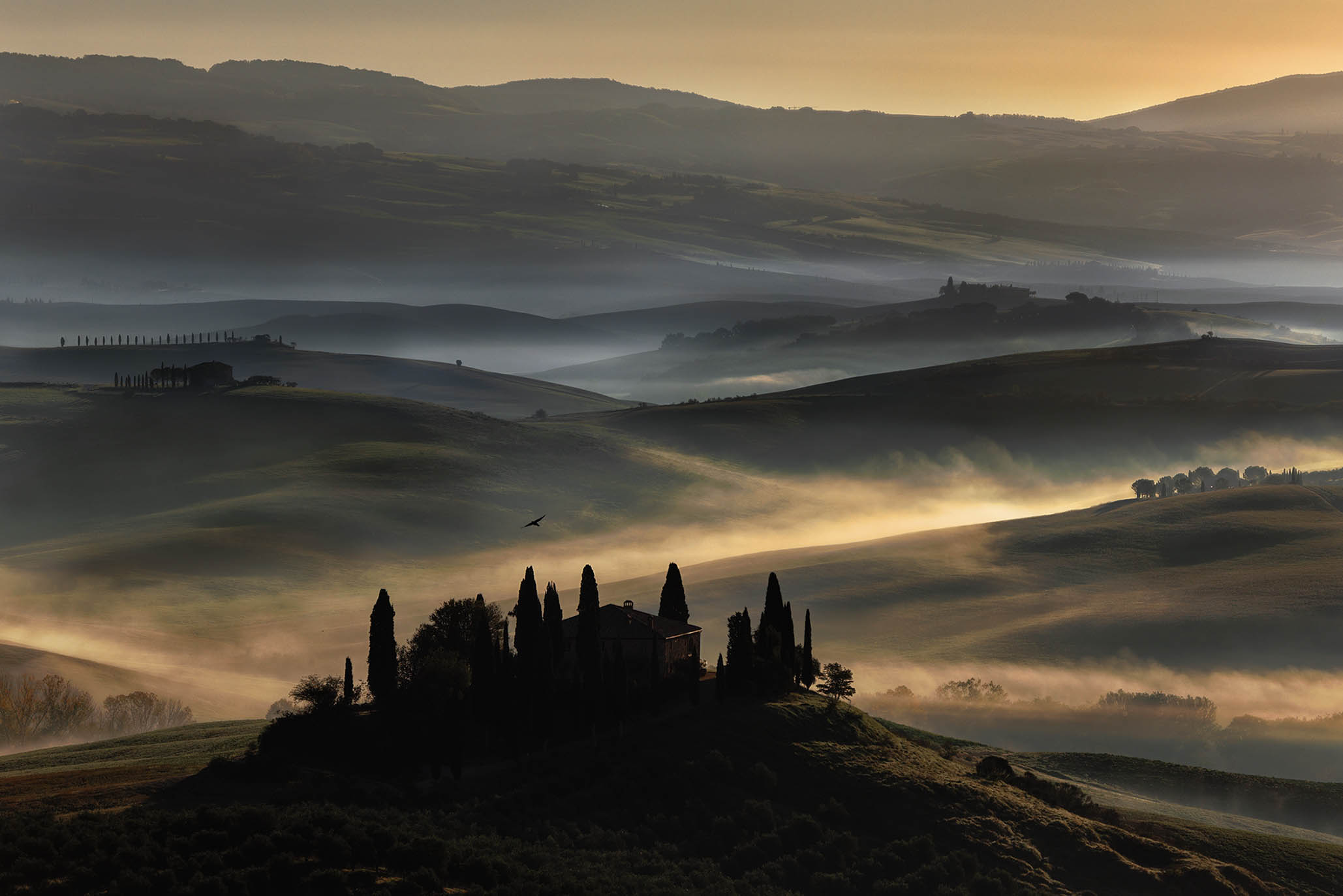
The Province of Grosseto lies in southern Tuscany. Grosseto the capital city is hemmed in by the hexagonal 16th century wall and dominated by the impressive Medici Fortress. Important monuments of particular interest are the Romanesque-Gothic Cathedral, with its abundant collection of artworks; the Church of San Francesco and the Maremma Museum of Archaeology and Art which conserves important local paintings and archaeological finds.
This province reaches from the slopes of the Colline Metallifere to the border with Lazio, comprising the assorted landscapes of the Maremma. Within the heart of the Colline Metallifere is a town of appreciable artistic value, one of the province’s most important Massa Marittima, with its Medieval splendour preserved intact. Strolling through its centre invites reverence of its fine monuments, among them the Romanesque-Gothic Cathedral, the Palazzo Pretorio and the Cassero Sienese Fortress, linked to the Candeliere Tower by a unique bridge with flying buttresses. Finally, outside the city lies Lake Accesa. This is an area of great natural value, evidenced by the Archaeological Park bearing remnants left over from the Etruscan Civilisation.
Traditional villages are still abundant in the area, like Scansano, home of Morellino wine; Civitella Marittima with numerous narrow streets and Renaissance buildings; Capalbio, the romantic Medieval village and Manciano with its neighbouring thermal spa complex of Saturnia.
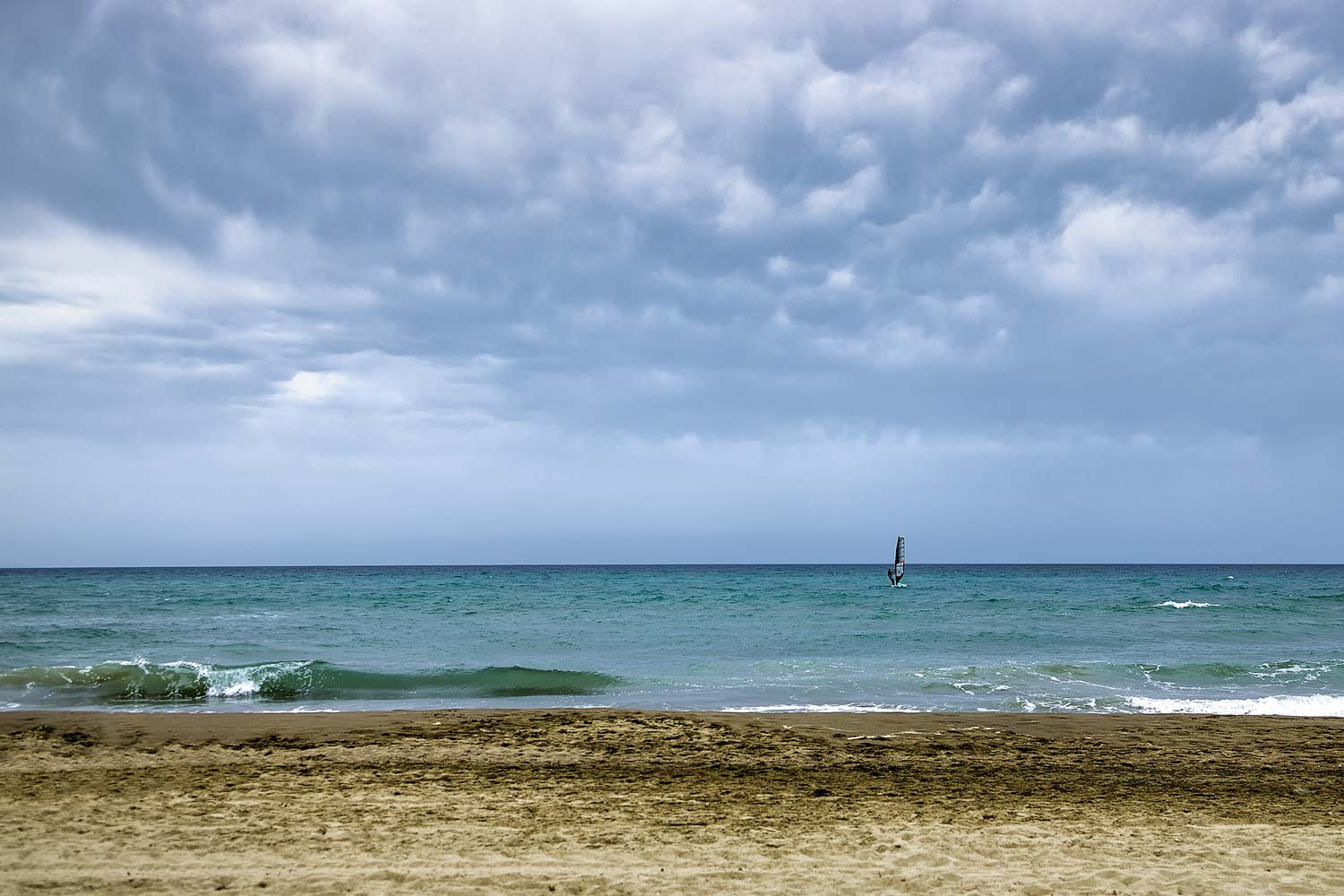
The varied coastline between the Gulf of Follonica and the estuary of the Chiarone River presents sceneries of exceptional beauty dominated by pine forests and crystal-clear waters. Home to famous resorts such as Marina di Grosseto, Principina a Mare, Castiglione della Pescaia, Punta Ala and Punta Talamone.
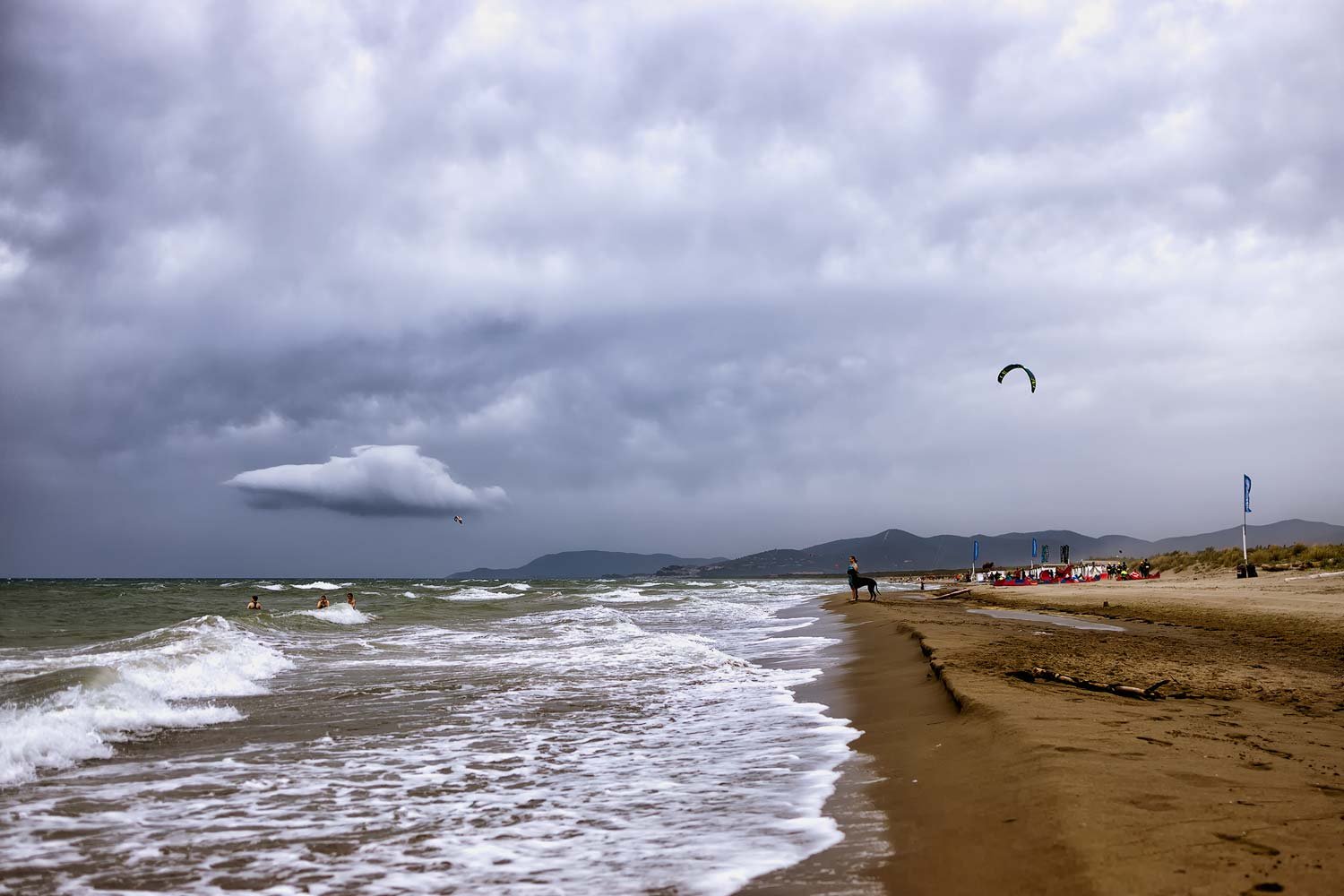
In two little natural inlets located on opposite sides of the peninsula lie Porto Santo Stefano and Porto Ercole, known as the two pearls of Monte Argentario – the green promontory stretching out to the sea and surrounded by a high and rocky coastline. Connected to the mainland by the golden beaches of Giannella and Feniglia, nicknamed “the necks”. These pristine landscapes and magnificent views are the characterising features of the Islands of Giglio, Giannutri and Formiche di Grosseto, favourite diving spots due to the wonderful population of colourful seabed flora.
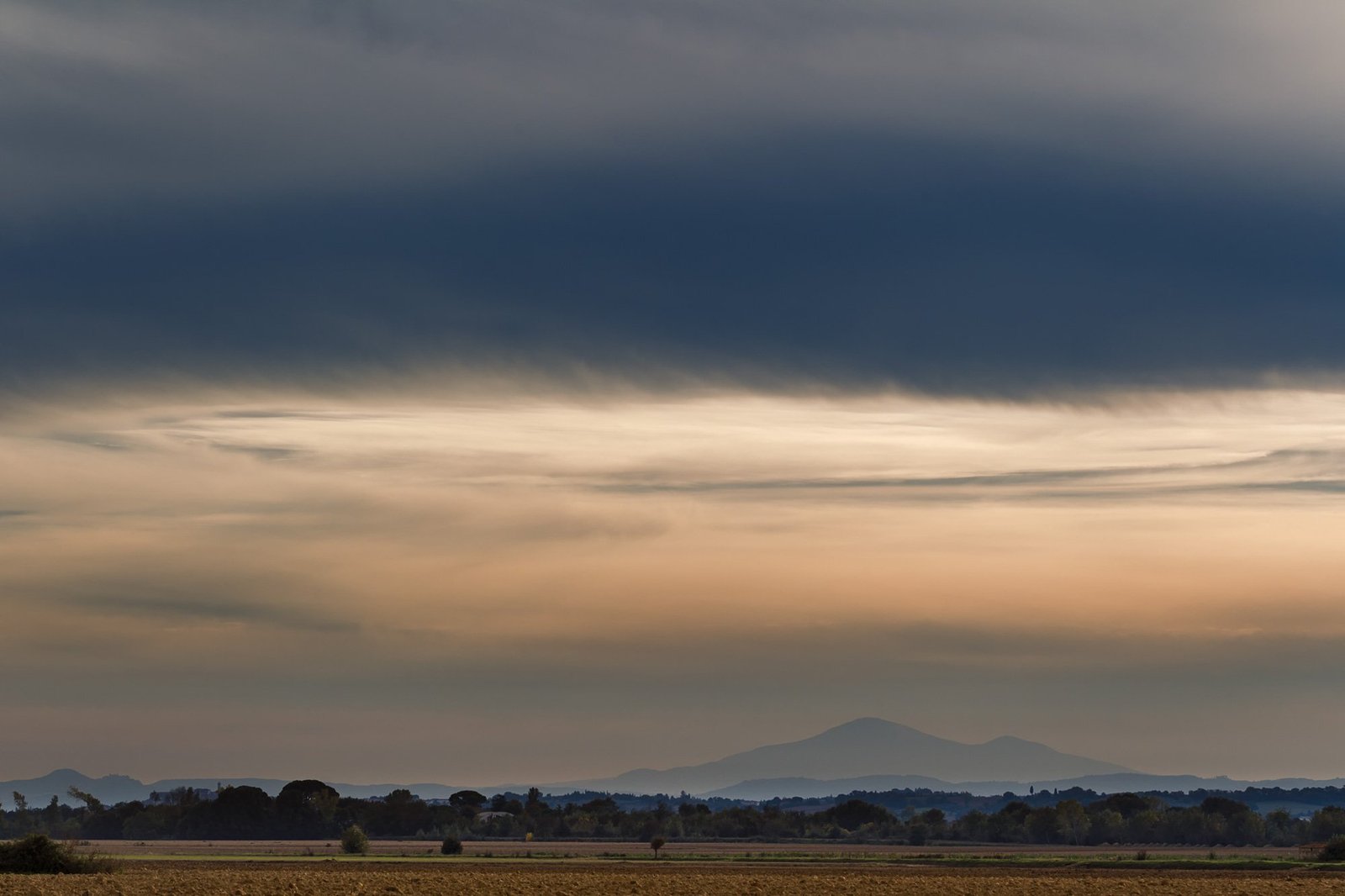
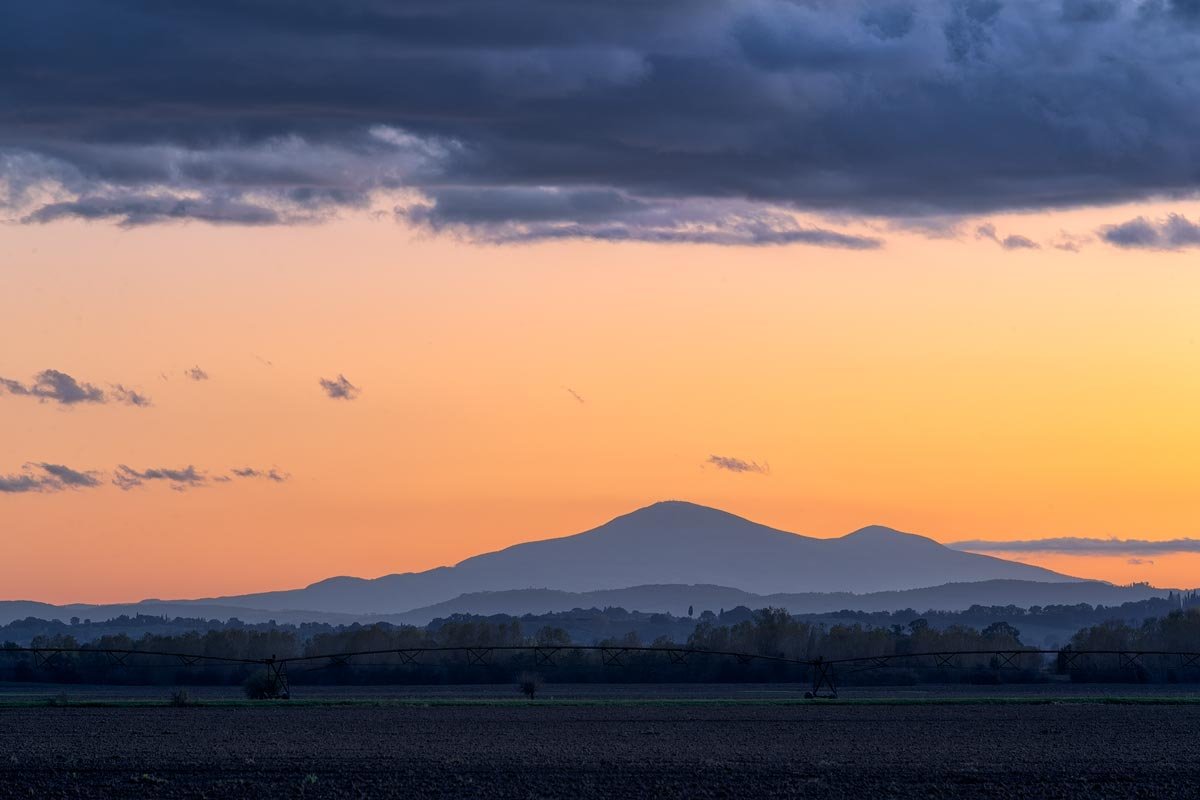
The hinterland also holds abundant possibilities. In the Monterotondo Marittimo area of the wild Colline Metallifere, the Biancane Natural Park waits to be discovered. An area noted for its phenomenon of hot emissions of hot, white steam from the depths of the earth, boasting extraordinary landscapes and a surreal atmosphere. Another typical environment here is Maremma Grossetana, where the wide plains of Ombrone, Fiora and Albegna intersperse with hills.
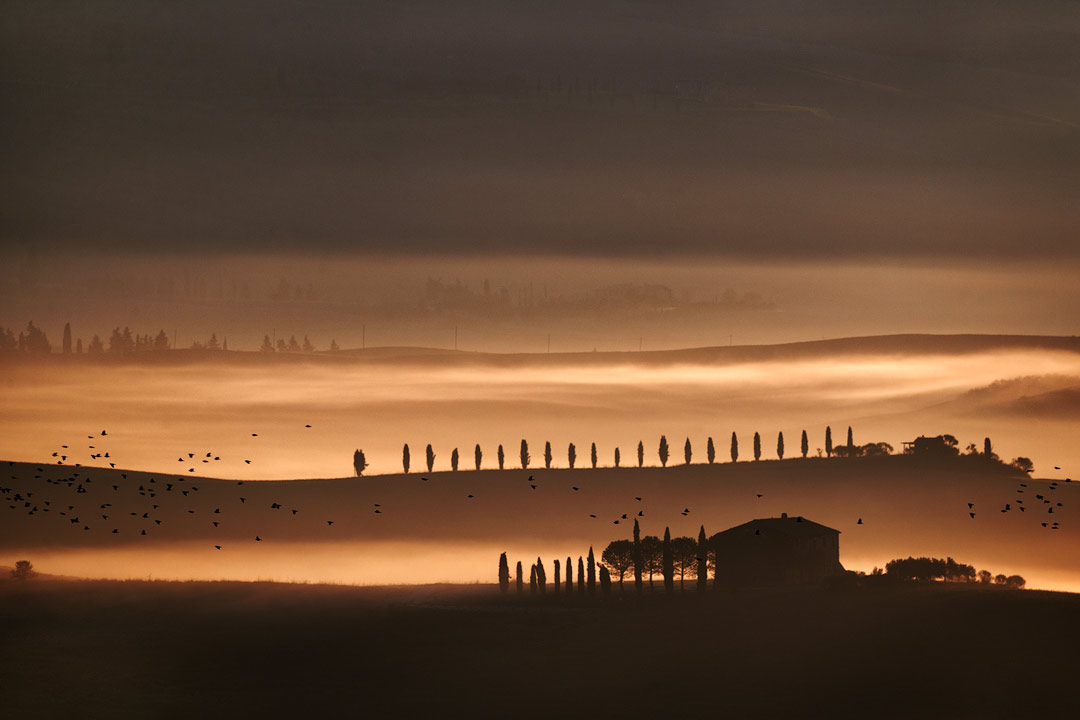
The Maremmas’ green hills and valleys were traditionally populated by the ‘Butteri’, cattle breeders, who used horses until recently, with a special kind of saddle (typical local cowboy). This is a province where ancient traditions have survived and Tuscan culture is preserved. Experience a stunning range of authentic local products, and photograph rural traditions handed down over the centuries.
The environmental variety of Grosseto Province provides diverse opportunities for a photography vacation in close contact with nature. Numerous protected zones thrive in this area, including the Parco Naturale della Maremma e Monti dell’Uccellina; the Natural reserve of the Lagoon of Orbetello, an immense mirror of water, with observation towers, that welcomes many species of birds, such as cormorants, herons and flamingos every season; and Lake Burano, a magnificent coastal saltwater lake and WWF Oasis.
In the south-eastern corner of the province, the so-called “Tufo area”, is characterised by erosive phenomena, beautiful villages and very important Etruscan necropolises. The “Città del Tufo” is well worth a visit, three beautiful villages that lie on rocky outcrops, they are surrounded by the striking valleys of Pitigliano, Sorano and Sovana. Including the vie cave, ancient roads dug into the rock, rich in Etruscan, Medieval and Renaissance remains.
Other archaeological sites include the necropolises of Vetulonia, constituting the greatest evidence of Etruscan funerary architecture; the Ruins of Cosa, the ancient Roman colony; and the Ruins of Roselle, an ancient Etruscan and later Roman settlement.
As obligatory is an excursion to the Island of Giglio where you can visit the typical fortified village of Giglio Castello, located on the peak of the mountain, perfect for one-of-a-kind views of the islands and extraordinary sunsets.
Folk law and traditional events are frequent and include the Balestro del Girifalco, a costume parade in Massa Marittima (on the fourth Sunday of May and the second of August); the Palio Marinaro dell’Argentario, with its historic parade on the 15th of August, in Porto Santo Stefano; the traditional Festa della Pina in Arcidosso, on the first Sunday after Easter; and the Palio Marinaro in Castiglione della Pescaia. Patron Saints are of great importance and are represented by the Feast of San Lorenzo in Grosseto, the Feast of St. Erasmus in Porto Ercole, and the Feast of San Cerbone in Massa Marittima that includes the participation in medieval costumes.
Every province of Tuscany has beautiful and unique offerings. If you prepare ahead of time, you can’t go wrong in destinations where you can find everything. If you love food, this is gastronomic nirvana. In many ways, Tuscany embodies the soul of Italy.
The sheer volume of subject matter, combined with a beautiful Mediterranean setting, makes this an ideal location to add and explore a photography session in Italy to your vacation, learn new skills, and create lasting memories from the best photography tours in Tuscany.